
Consultancy
What to prepare before a technical packaging consultation
The information, samples and context that let a first technical conversation produce a practical next step rather than a list of questions.
9 September 2026 2 min read
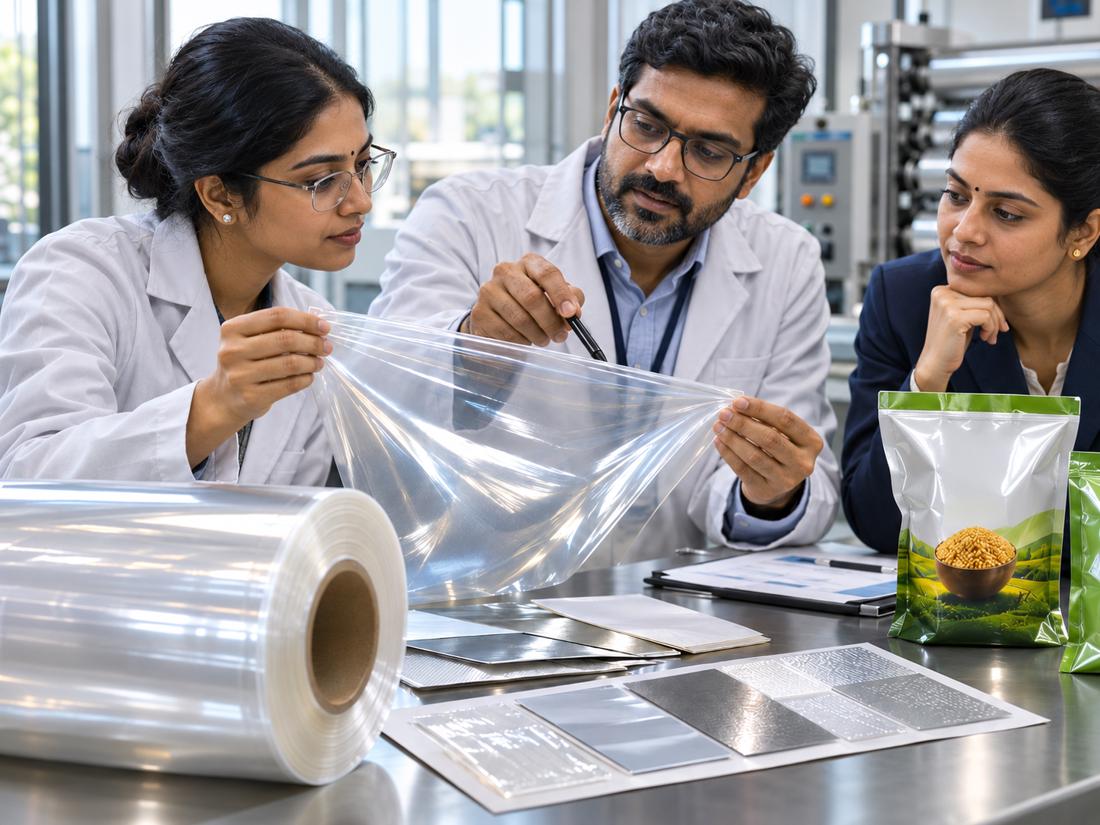
A technical consultation moves at the speed of the evidence available. When the basics are gathered in advance, the conversation can focus on interpretation and next steps instead of collecting facts. None of the following is complicated — it is mostly material that already exists somewhere in your plant.
State the problem in one paragraph
Write a short, plain description of what is happening, when it started, how often it occurs and what it is costing you — in waste, downtime, complaints or delayed despatch. This paragraph also helps your own team agree on what is actually being investigated.
Bring the structure and the specification
- The pack structure and material specification, as currently produced
- The application: product, filling process, seal type, expected shelf life
- Print, lamination or coating details relevant to the issue
- Any customer specification or agreed tolerance
Bring process context
- Machines and lines involved, and their typical running conditions
- Recent changes: material lot, supplier, tooling, speed, settings, personnel
- Whether the issue is confined to one line, one shift or one product
- Ambient conditions if they plausibly matter for the defect
Bring samples and images
Where possible, provide defective material, a good reference sample from a run that performed well, and clear photographs showing the defect in context with roll identification visible. A comparison pair is often more informative than the defective sample alone.
Bring whatever data you already record
- 01In-process and final inspection records for the affected orders.
- 02Incoming material documentation for the lots used.
- 03Waste, rework or complaint trends over recent weeks.
- 04Results of any internal trials already run, including the ones that did not work.
Unsuccessful internal trials are useful evidence. They narrow the field, and they prevent the same test being repeated.
Decide what a good outcome looks like
Be explicit about what you want from the session: a shortlist of likely causes, a trial plan, a view on a sourcing option, or support in responding to a customer. Also name your constraints — timing, budget, what cannot be changed on the line — so the recommendations are usable rather than theoretical.
Agree who attends and who follows up
Include someone who knows the line and someone who can authorise a change. Agree before the end of the conversation who owns each next step and when you will review the result. A consultation is only as valuable as the action that follows it.